M&A. growth. building cross-border business with Japan.
-
Growing your business in Japan (video conference)
Despite being the world’s third largest market, many businesses struggle to break into Japan. The “Growing your Business in Japan” free webinar, organized by the SCI’s Science and Enterprise Group and powered by LabLinks, will provide valuable insights into the challenges of growing a chemistry-facing business in the Japanese market, and how they can be overcome. The host, Dr Alan Steven – Chief…
-
Struggling for Europe’s technology sovereignty – a comment on Hermann Hauser’s proposal for a €100 billion Technology Sovereignty Fund
by Gerhard Fasol Hermann Hauser in a recent article on Project Syndicate, entitled “The Struggle for Technology Sovereignty in Europe” argues for “the UK and EU to jointly establish a €100 billion ($120 billion) Technology Sovereignty Fund to counter the $100 billion that the US is spending on its technology sovereignty and the even larger…
-
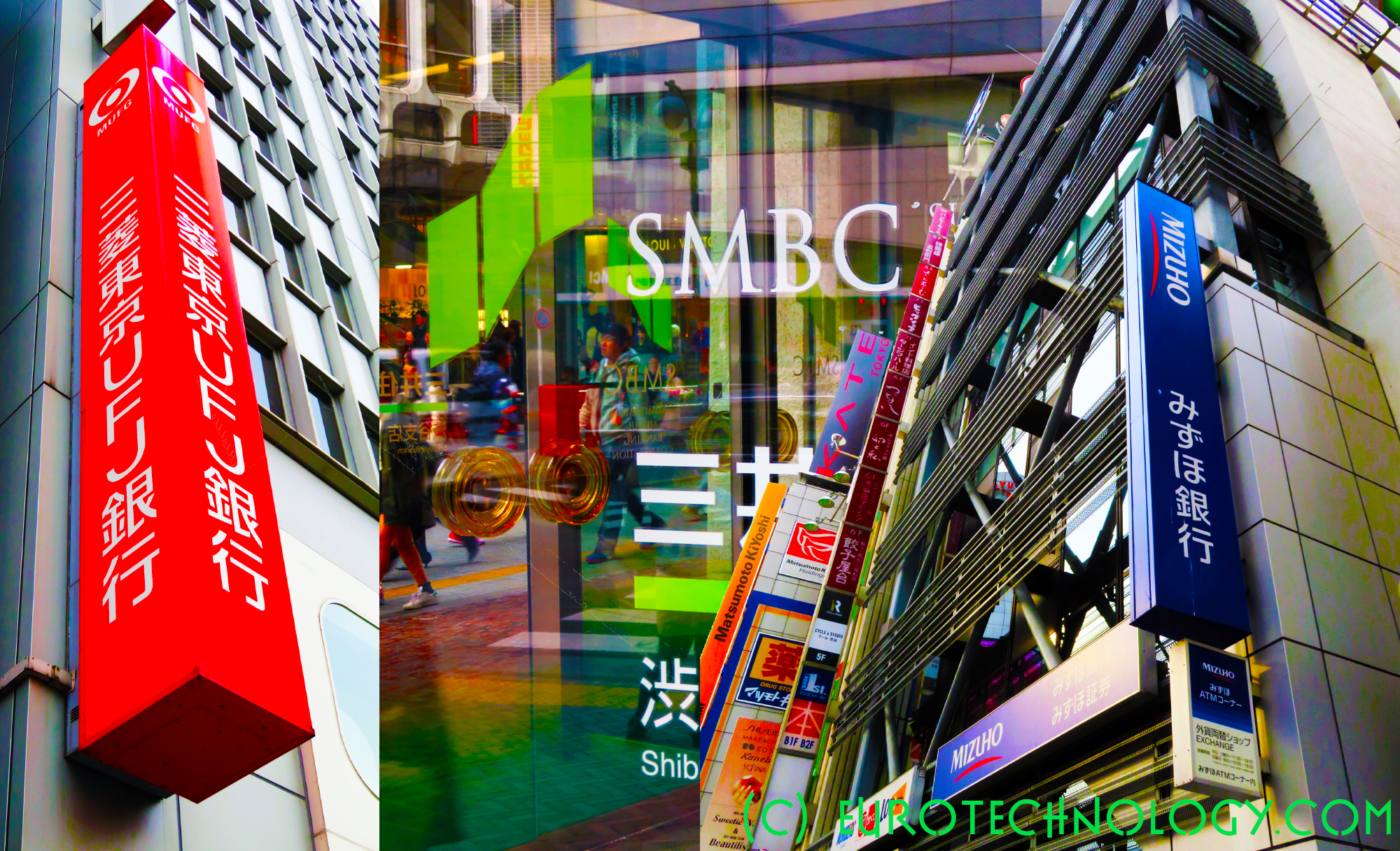
How many banks are there in Japan?
Japan’s banking system: Tokyo Banks, Trust Banks, Foreign Banks, Regional Banks – and The Bank of Japan by Gerhard Fasol Japan’s banking system. Number of banks via the Ministry of Finance registration and the Japanese Bankers Association We are often asked, how many banks there are in Japan, when discussing possibilities for obtaining finance. Here…
-
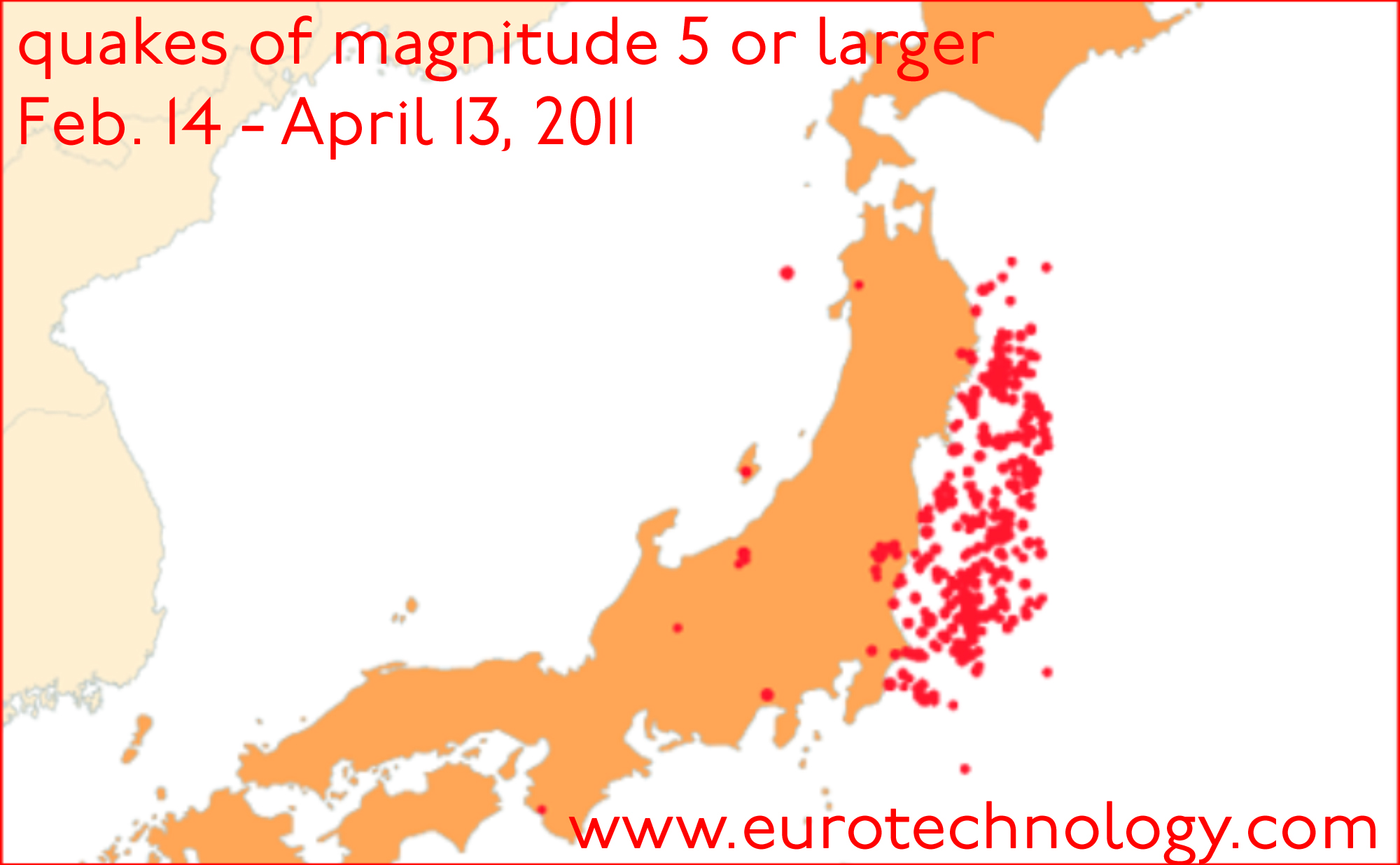
9 years ago: March 11, 2011 14:46:24 Tohoku earthquake, tsunami and Fukushima nuclear disaster – in memory
March 11, 2011 14:46:24 and consequences The Tohoku triple disaster- impact on Tokyo: For period of several weeks there were frequent and strong after quakes, and great uncertainty over the nuclear fallout situation. Companies were faced with the decision whether to relocate away from Tokyo for business continuity reasons and care for employees, or to…
-
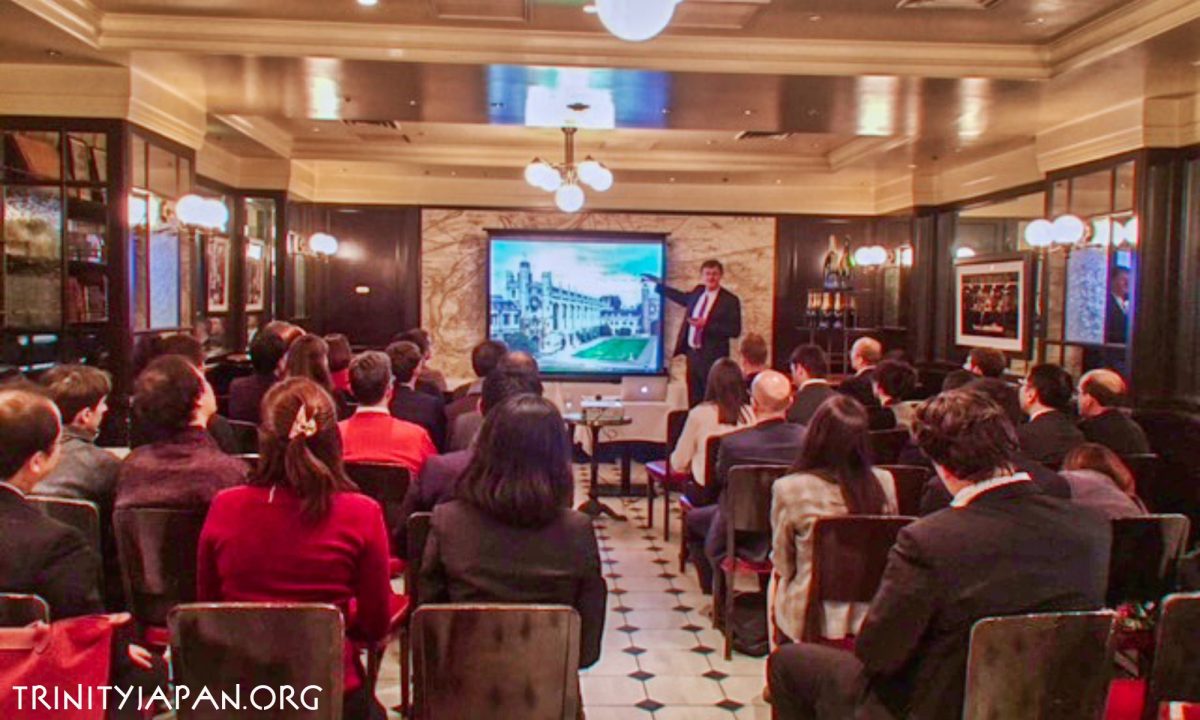
Japan’s corporate governance reforms: Joint event with the alumni of HEC, École Polytechnique, Sciences Po, Edhec, Essec and Trinity College/Cambridge University. Thursday 7 March 2019 in Tokyo
Japan’s corporate governance reforms joint event with the alumni organizations of HEC, École Polytechnique, Sciences Po, Edhec, Essec and Trinity College/ Cambridge University. Thursday 7 March 2019 19:00 in Tokyo On Thursday 7 March 2019 we will have a joint event by the alumni organizations of several French Grandes Écoles, HEC, École Polytechnique, Sciences Po,…
-
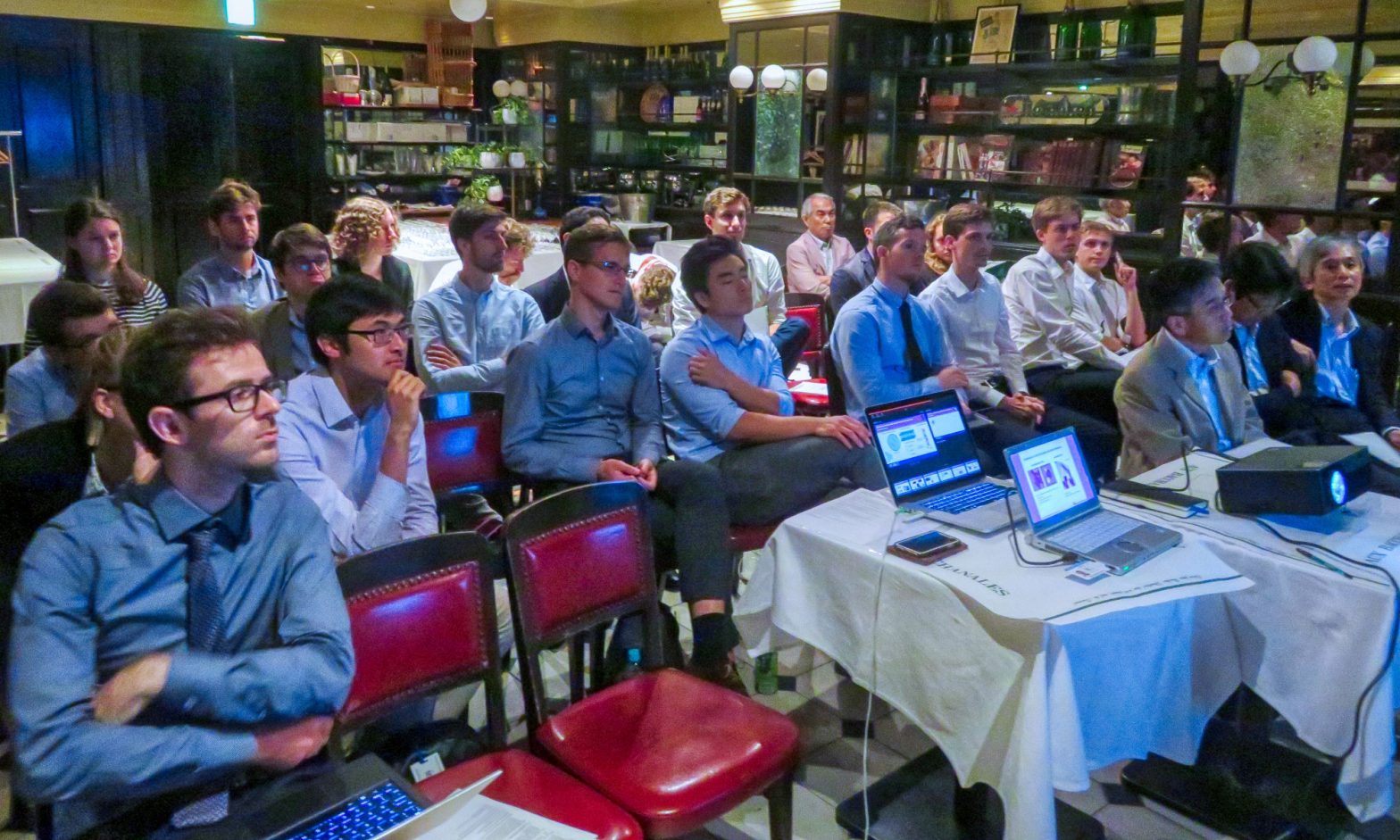
International Nanotechnology Symposium in Tokyo 16 September 2019
21 University of Cambridge nanotechnology researchers in Tokyo 日本語版 日本語版 International Nanotechnology Symposium in Tokyo 21 University of Cambridge nanotechnology researchers in Tokyo meeting Japanese corporations Symposium chair and contact: Gerhard Fasol contact here Monday 16 September 2019 15:00-21:00 in Tokyo Purpose of the International Nanotechnology Symposium in Tokyo Exchange of views on results and…
-

Corporate Governance Reforms in Japan, Swiss-Japanese Chamber of Commerce in Geneva
Corporate Governance Reforms: How the Way Japanese Corporations Take Decisions is Changing SJCC Swiss-Japanese Chamber of Commerce Friday 12 October 2018, 18:30-19:45, JETRO Office Geneva Prime Minister Abe’s corporate governance reforms are arguably one of the biggest success stories of his reform program to promote Japan’s economic growth. Japan’s Government in coordination with the Tokyo…
-

Corporate governance reforms: making Japanese corporations great again? Monday, May 28, 2018, 19:00-21:00 at CCIFJ
Corporate governance reforms: making Japanese corporations great again? Understanding how Japanese Boards of Directors function helps you close deals Monday, May 28, 2018, 19:00-21:00 at CCIFJ Stimulating Japanese companies’ growth is a key element of Prime Minister Abe’s economic growth policies. For companies to grow, management needs to be improved, Boards of Directors need to…
-

EFTA Court – impact on business and our emerging new world order: former EFTA Court President Carl Baudenbacher
Former President of the EFTA Court, Carl Baudenbacher Gerhard Fasol: Professor Baudenbacher, could you explain in simple terms, what the EFTA Court and your work leading the EFTA Court for many years, means for businesses in Europe, and also businesses in Japan. Carl Baudenbacher: The EFTA Court is the second tribunal in the European Economic…
-
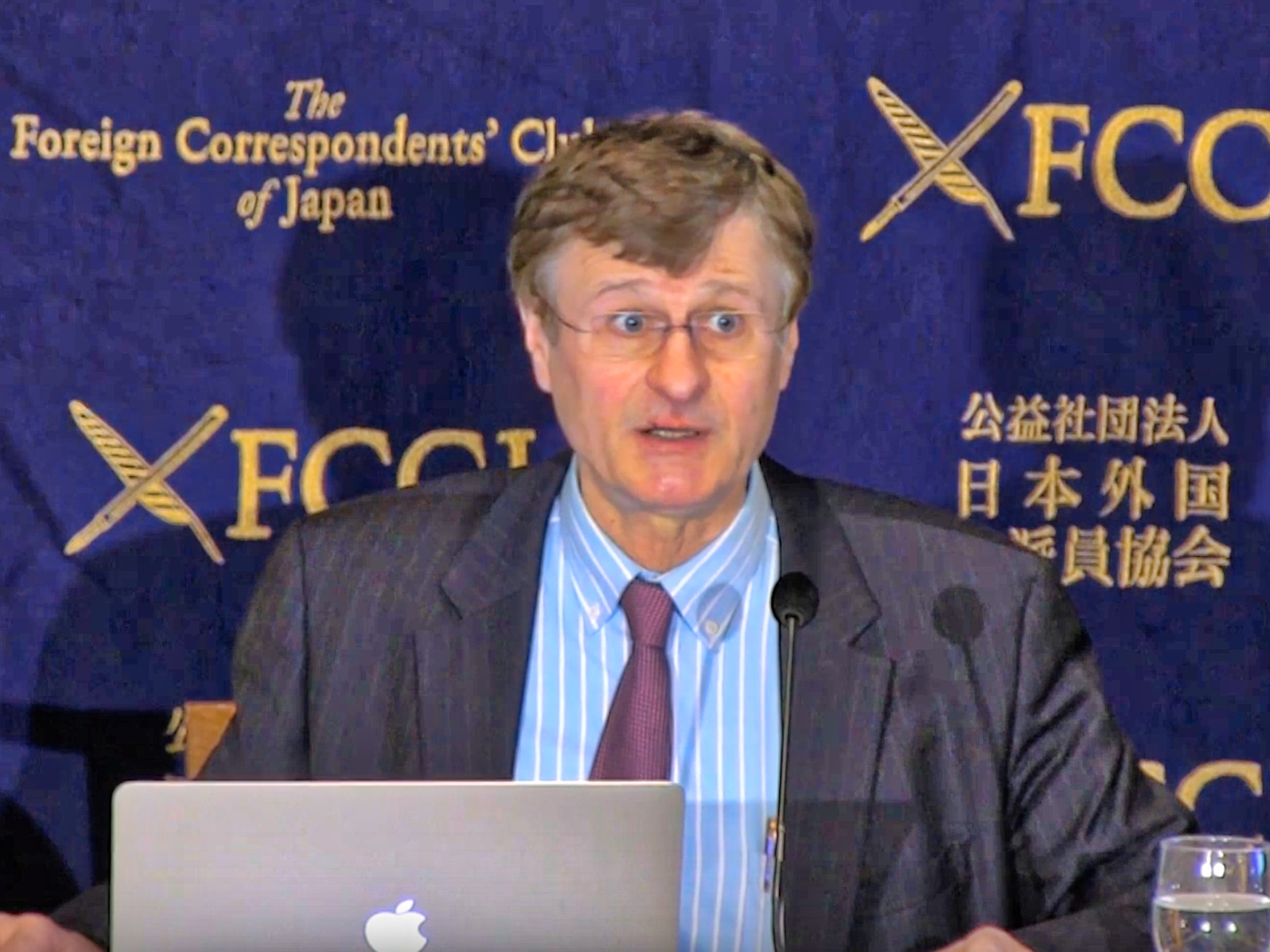
Corporate Governance Reforms in Japan, Gerhard Fasol at the Foreign Correspondents Club FCCJ 12 March 2018
Corporate Governance Reforms in Japan Monday, March 12, 2018, 12:00 – 13:30 at the Foreign Correspondents Club in Japan FCCJ While many Japanese corporations are still admired around the world, too many have for years suffered sluggish growth and low profitability. A string of corporate scandals and failures have shocked the pubic and corroded confidence…
-
Tohoku disaster Friday March 11, 2011 at 14:46:24 – 7 years ago
7 years and many lessons learnt since the Tohoku earth quake and Tsunami and Fukushima-Dai-Ichi nuclear disasters Tohoku disaster and Fukushima nuclear disaster lead to Japan’s energy market liberalization Tohoku disaster: On Friday March 11, 2011 at 14:46:24, the magnitude 9.0 “Great East Japan earthquake” caused a tsunami, reaching up to 40.4 meters high inland…
-
Japanese Corporate Governance – The Inside Story, Daiwa Anglo-Japanese Foundation HQ London, Tuesday 16 January 2018
Gerhard Fasol and Sir Stephen Gomersall Daiwa Anglo-Japanese Foundation, London, Tuesday 16 January 2018, 6:00pm Topic: Japanese Corporate Governance – The Inside Story Speakers: Gerhard Fasol and Sir Stephen Gomersall Program: Tuesday 16 January 2018, 6:00pm – 7:00pm, Drinks reception from 7:00pm Location: 13/14 Cornwall Terrace, Outer Circle (entrance facing Regent’s Park), London NW1 4QP,…
-

Corporate governance reforms in Japan: hands-on insights as Board Director of a Japanese group
Corporate governance reforms are one of the key components of Abenomics, to improve economic growth in Japan Corporate governance reforms in Japan: talk at the OAG House in Tokyo, Wednesday 20 September 2017, 18:30-20:00 Wednesday 20 September 2017, 18:30-20:00 Talk: Gerhard Fasol: „Corporate Governance Reformen in Japan: Erfahrungen als Aufsichtsratsdirektor einer japanischen Firmengruppe“ Free of…
-
EU-Japan Free Trade Agreement (FTA) and Economic Partnership Agreement (EPA) closer to conclusion
With US withdrawal from TPP and BREXIT, the EU-Japan Free Trade Agreement moves to the center of attention EU-Japan Free Trade Agreement and Economic Partnership Agreement nearing conclusion, maybe this summer. EU and Japan started to prepare for Free Trade Agreement (FTA) and the political framework Economic Partnership Agreement (EPA) at the 20th EU-Japan Summit…
-
![Reduce your energy costs in Japan and Japan’s energy situation post-Fukushima [talk at EU Embassy Tokyo]](https://www.eurotechnology.com/b/wp-content/uploads/2017/05/IMG_7790_eu_2000_1000_HDR.jpg)
Reduce your energy costs in Japan and Japan’s energy situation post-Fukushima [talk at EU Embassy Tokyo]
Energy costs in Japan: A presentation to diplomats from the 28 EU countries (+ Norway and Switzerland) given at the EU Delegation in Tokyo on Thursday 18 May 2017 How can you reduce your energy bills? Energy costs in Japan, how to reduce energy costs, and the current energy situation in Japan post-Fukushima are inherently…
-

Japan GDP growth and losses at Japan Post – Gerhard Fasol interviewed by Rico Hizon on BBC TV
Japan’s economy grows five quarters in a row, and Japan Post books losses of YEN 400.33 billion (US$ 3.6 billion) for an acquisition in Australia Japan GDP growth, growth of 2%/year. Still, Japan’s economy is the same size as in 2000, while countries like France, Germany, UK today are double the size as in the…
-

Bill Emmott and Gerhard Fasol – A conversation about Japan’s future
Bill Emmott and Gerhard Fasol Bill Emmott is an independent writer and consultant on international affairs, board director, and from 1993 until 2006 was editor of The Economist. http://www.billemmott.com Gerhard Fasol is physicist, board director, entrepreneur, M&A advisor in Tokyo. http://fasol.com/ A conversation about Japan’s future Bill Emmott: I came first to Japan in 1983…
-
Tohoku disaster 6 years: March 11, 2011 14:46:24
6 years and many lessons learnt since the Tohoku earth quake and Tsunami and Fukushima-Dai-Ichi nuclear disasters Tohoku disaster and Fukushima nuclear disaster lead to Japan’s energy market liberalization Tohoku disaster: On Friday March 11, 2011 at 14:46:24, the magnitude 9.0 “Great East Japan earthquake” caused a tsunami, reaching up to 40.4 meters high inland…
-
Mobile internet coming of age: i-Mode’s 18th birthday
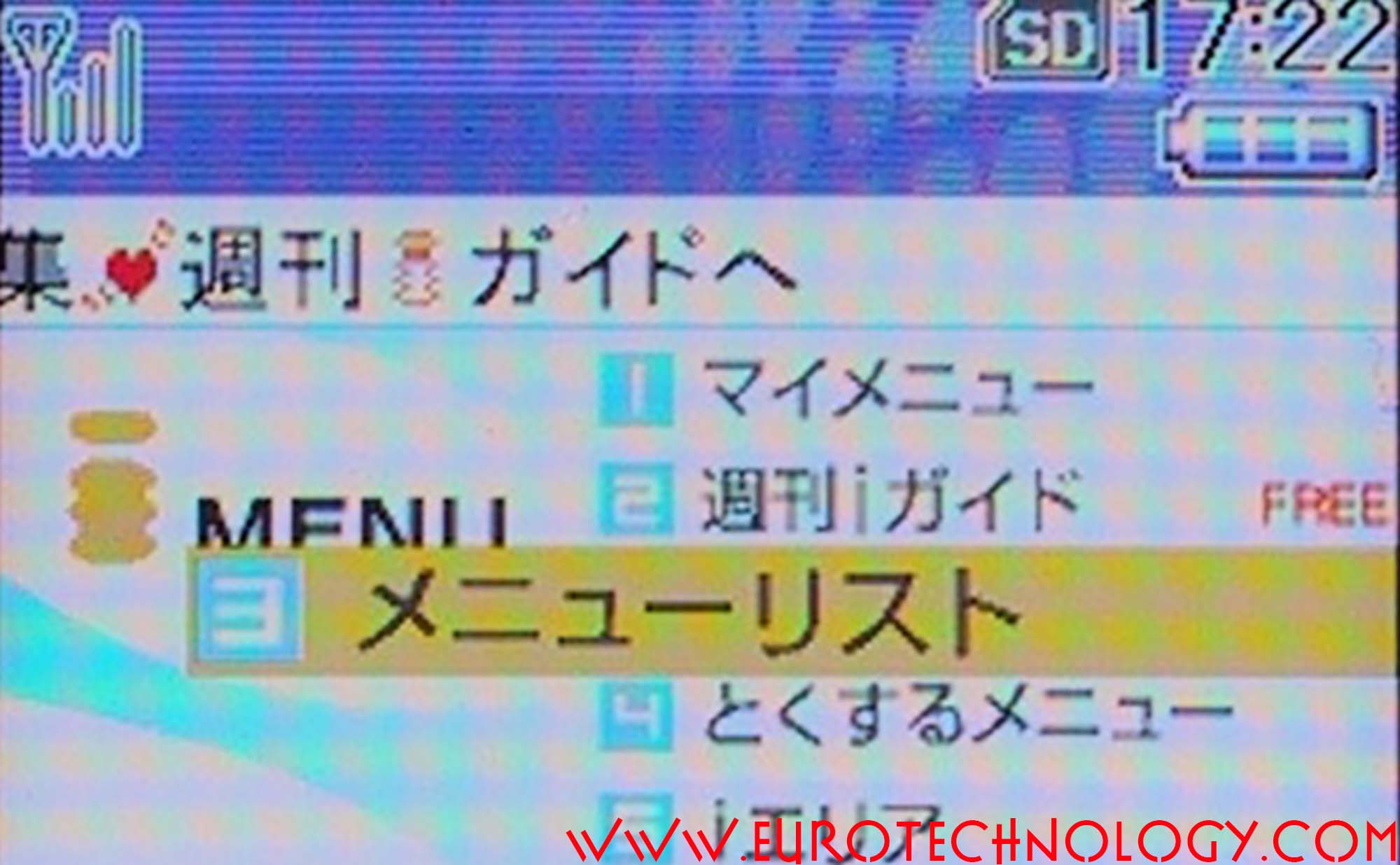
The global mobile internet was born today 18 years ago, on February 22, 1999 by Gerhard Fasol NTT Docomo announced the start of i-Mode on February 22, 1999 at a press conference in Tokyo Today, 18 years ago, on February 22, 1999, Mari Matsunaga, Takeshi Natsuno, and Keiichi Enoki announced the start of the world’s…
-

Toshiba nuclear write-off. BBC interview about Toshiba’s latest nuclear industry write-offs
Toshiba is expected to announce write-off provisions on the order of US$ 6 billion today Toshiba is on Tokyo Stock Exchange warning list for possible delisting in March 2017 by Gerhard Fasol This morning 7:30am I was interviewed on BBC TV Asia Business Report about an update of Toshiba’s ongoing crisis, which has been 20…
-
Changing Japanese management – a talk on 6 October 2016 at the Embassy of Sweden
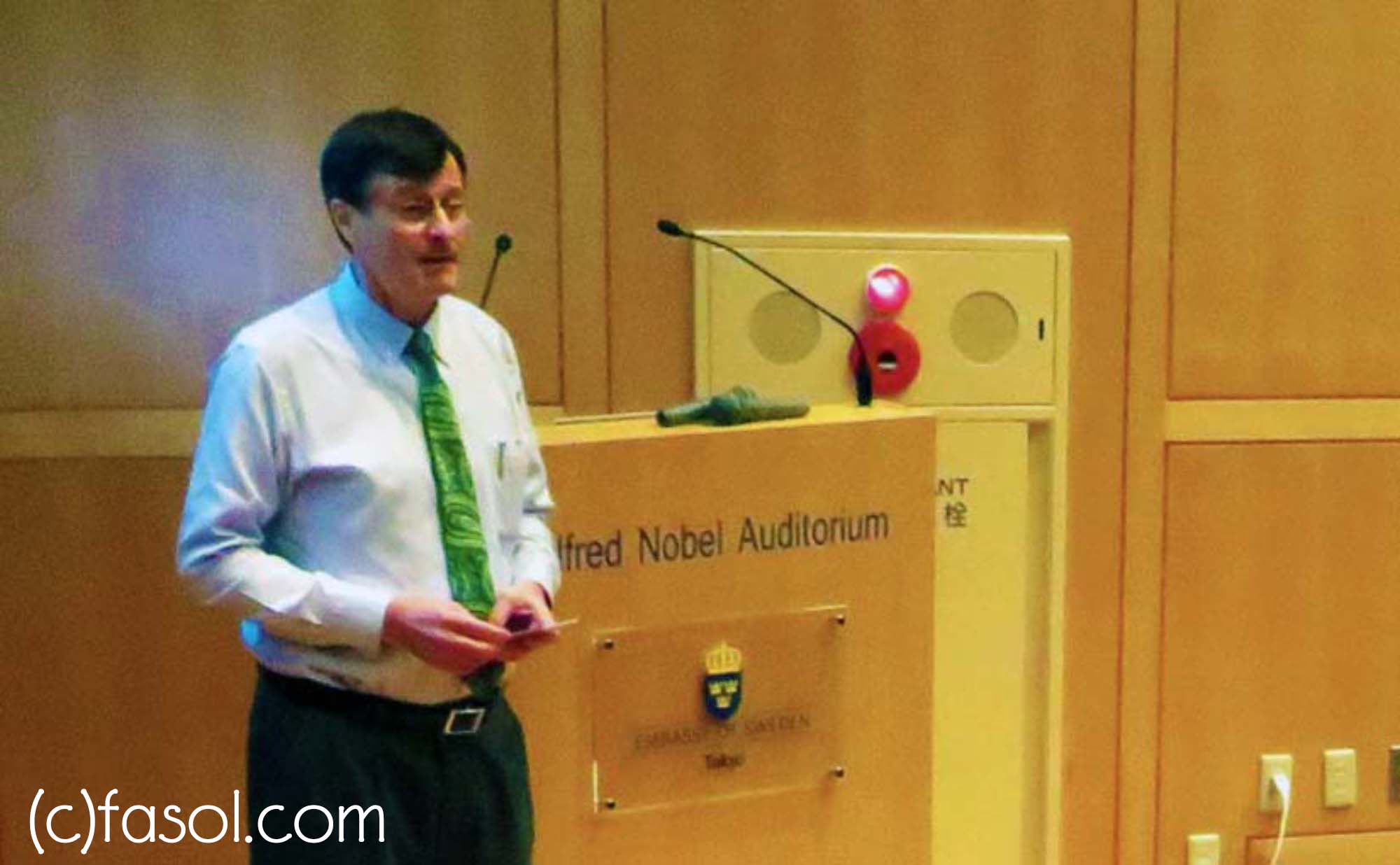
Corporate governance reforms in Japan Changing the way Japanese corporations are managed: Can it make Japanese iconic corporations great again? A talk by Gerhard Fasol at the Embassy of Sweden organized by the Embassy of Sweden, The Swedish Chamber of Commerce in Japan (SCCJ), and the Stockholm School of Economics You need to know more…
-

SoftBank acquires ARM Holdings plc: paradigm shift to internet of things (IoT) and a Vodafone angle
On 18 July 2016 SoftBank announced to acquire ARM Holdings plc for £17 per share, corresponding to £24.0 billion (US$ 31.4 billion) SoftBank acquires ARM: acquisition completed on 5 September 2016, following 10 years of “unreciprocated love” for ARM On 18 July 2016 SoftBank announced a “Strategic Agreement”, that SoftBank plans to acquire ARM Holdings…
-
Pokemon Go – everybody loves Pikachu…
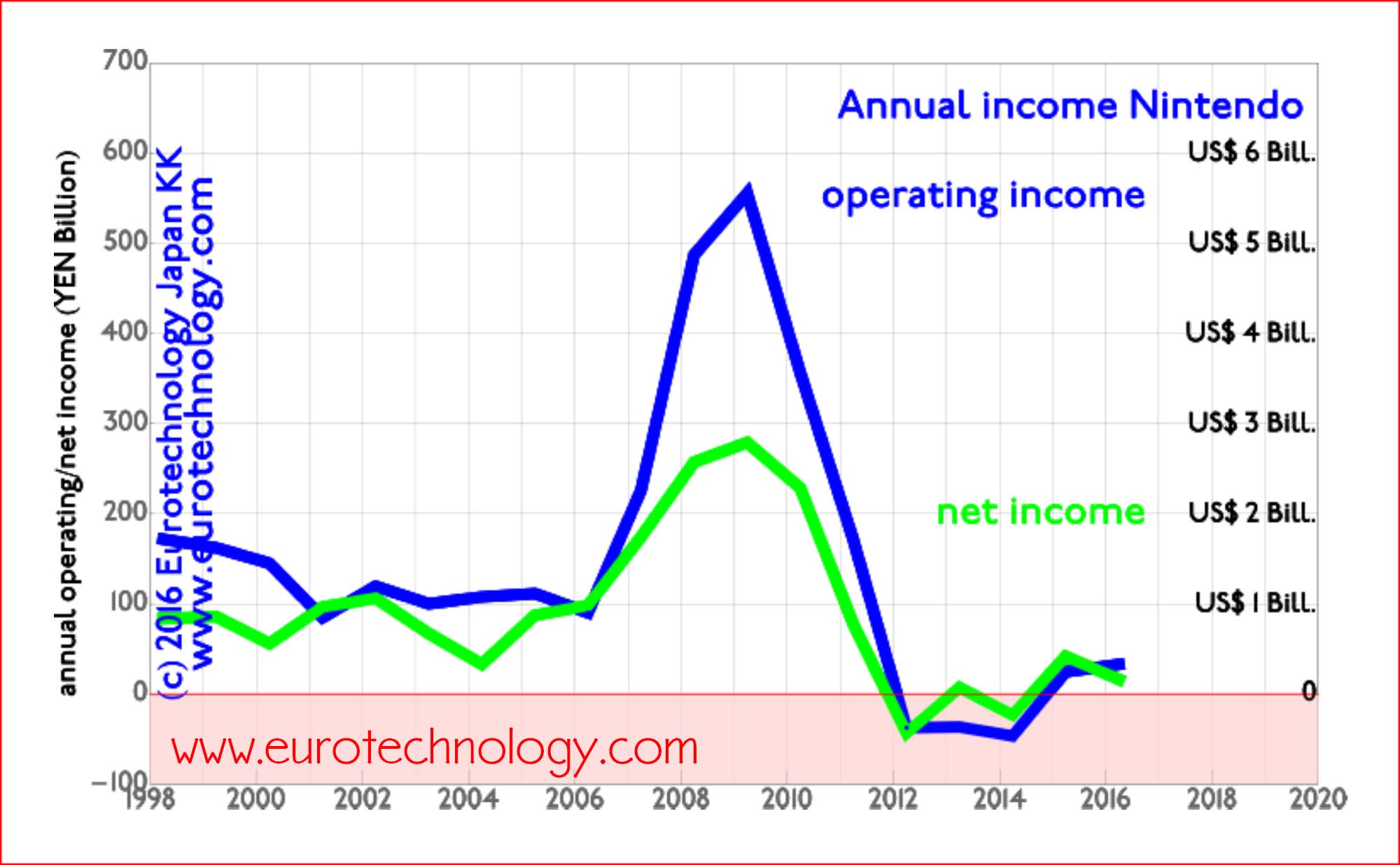
Pokemon Go is great – but will it bring another Nintendo boom as in 2009? or even exceed 2009? Google spin-out Niantic Labs’ augmented reality smartphone game booms to the top of charts Niantic Labs is specialized on augmented reality games. In a previous game, Ingress, players selected about 15 million memorable locations globally. Niantic…
-
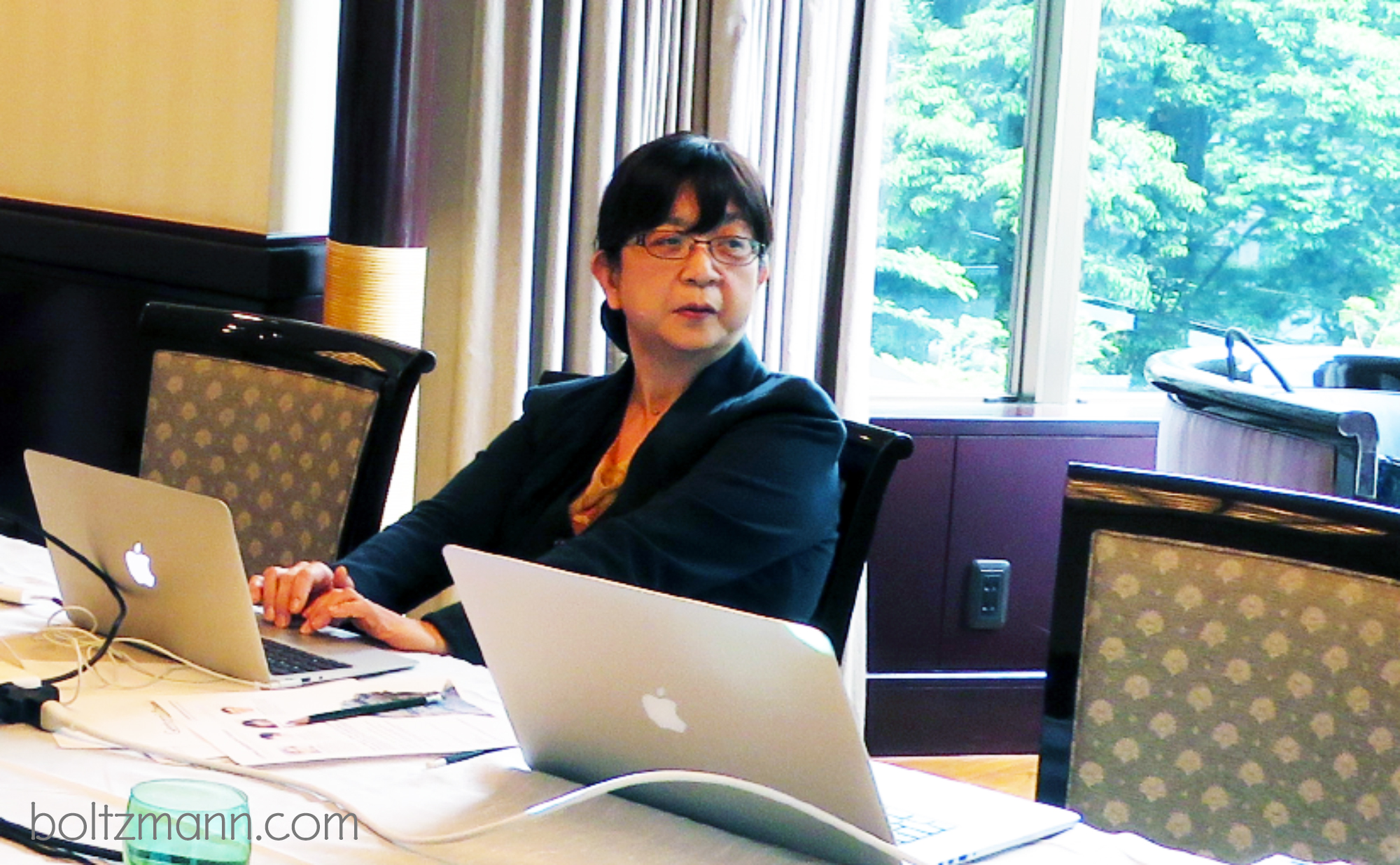
Kiyoko Kato: Current state of female doctors in Japanese Obstetrics and Gynecology
The current state of female doctors in Japanese Obstetrics and Gynecology 「日本の産科婦人科における女性医師の現状」 Kiyoko Kato, Professor, Department of Gynecology and Obstetrics, Graduate School of Medical Sciences, Kyushu University 加藤聖子、教授。九州大学大学院医学研究院。生殖病態生理学 The Ludwig Boltzmann Forum on Women’s development and leadership was held on Monday 16 May 2016 in Tokyo in honor of Dame Carol Black’s visit to Japan.…
-
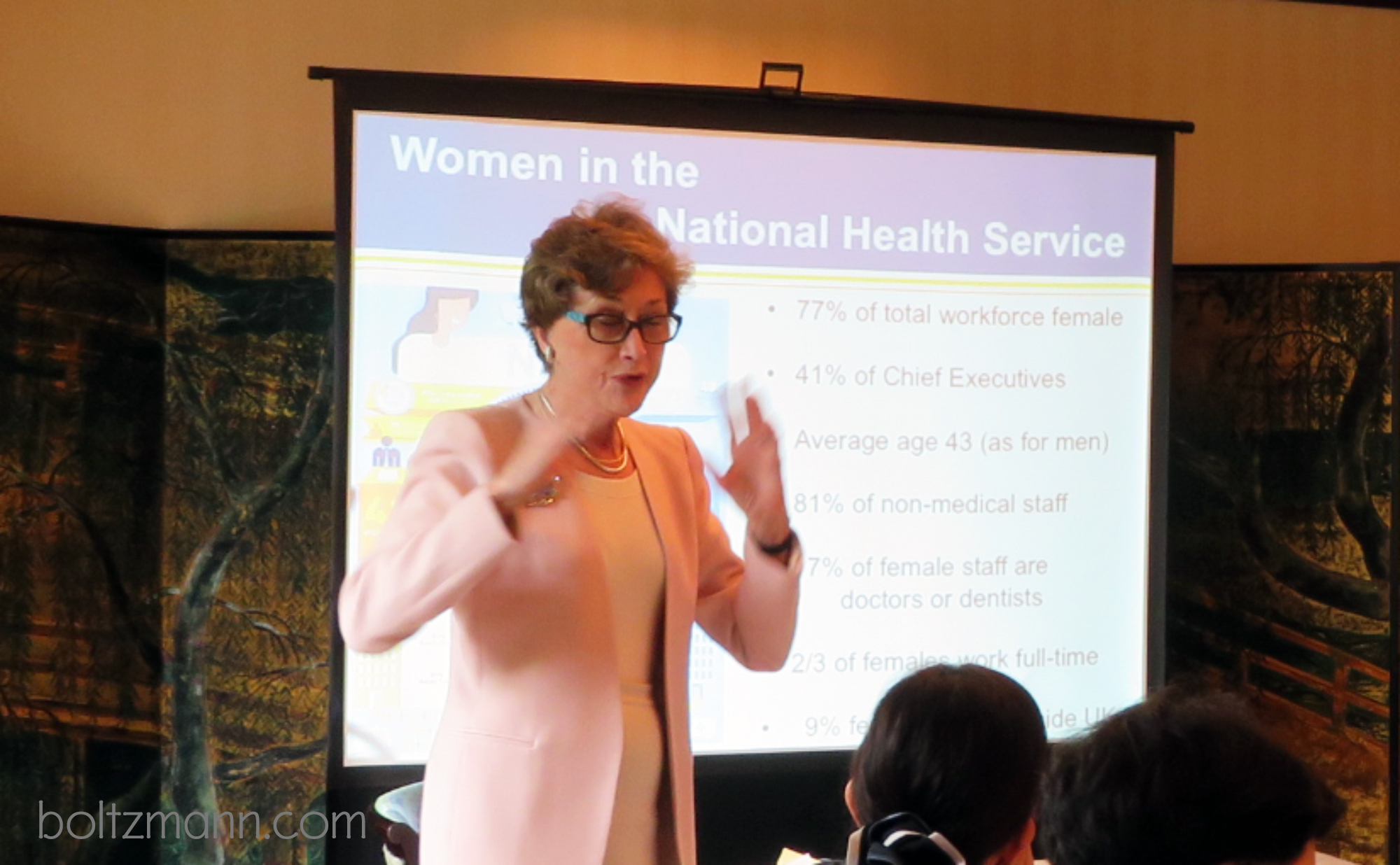
Dame Carol Black: Advancing women in healthcare
Advancing women in healthcare Dame Carol Black DBE FRCP FMedSci, Principal of Newnham College, Cambridge University, and Expert Adviser on Health and Work, Department of Health and Public Health England The Ludwig Boltzmann Forum on Women’s development and leadership was held on Monday 16 May 2016 in Tokyo in honor of Dame Carol Black’s visit…
-
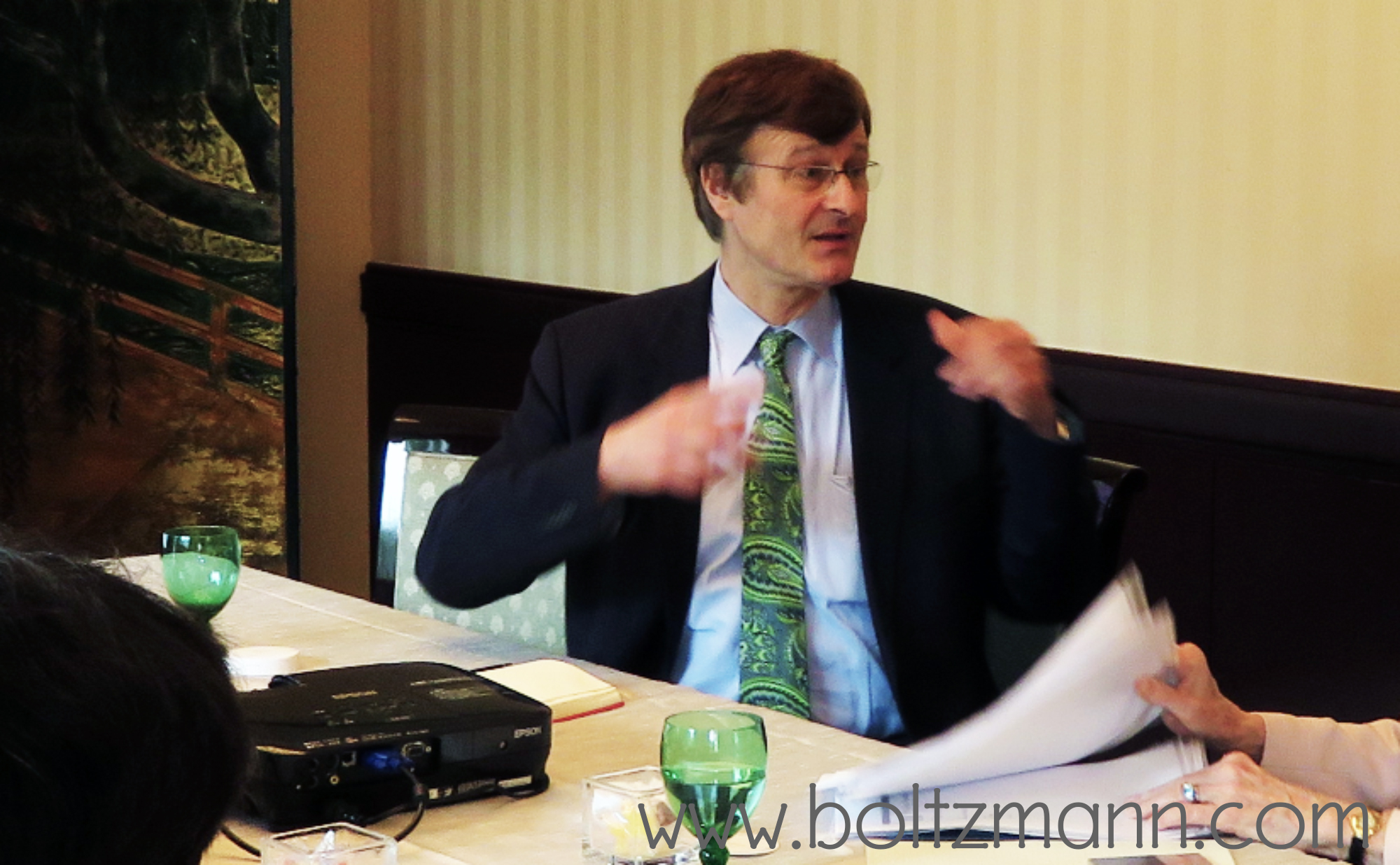
Ludwig Boltzmann Forum on Women’s development and leadership – objective
Ludwig Boltzmann Forum on Women’s development and leadership – workshop objective The Ludwig Boltzmann Forum on Women’s development and leadership was held on Monday 16 May 2016 in Tokyo. View the full workshop program here, Gerhard Fasol’s keynote lays out the objectives of the workshop in the present article. Gerhard Fasol CEO, Eurotechnology Japan KK,…
-
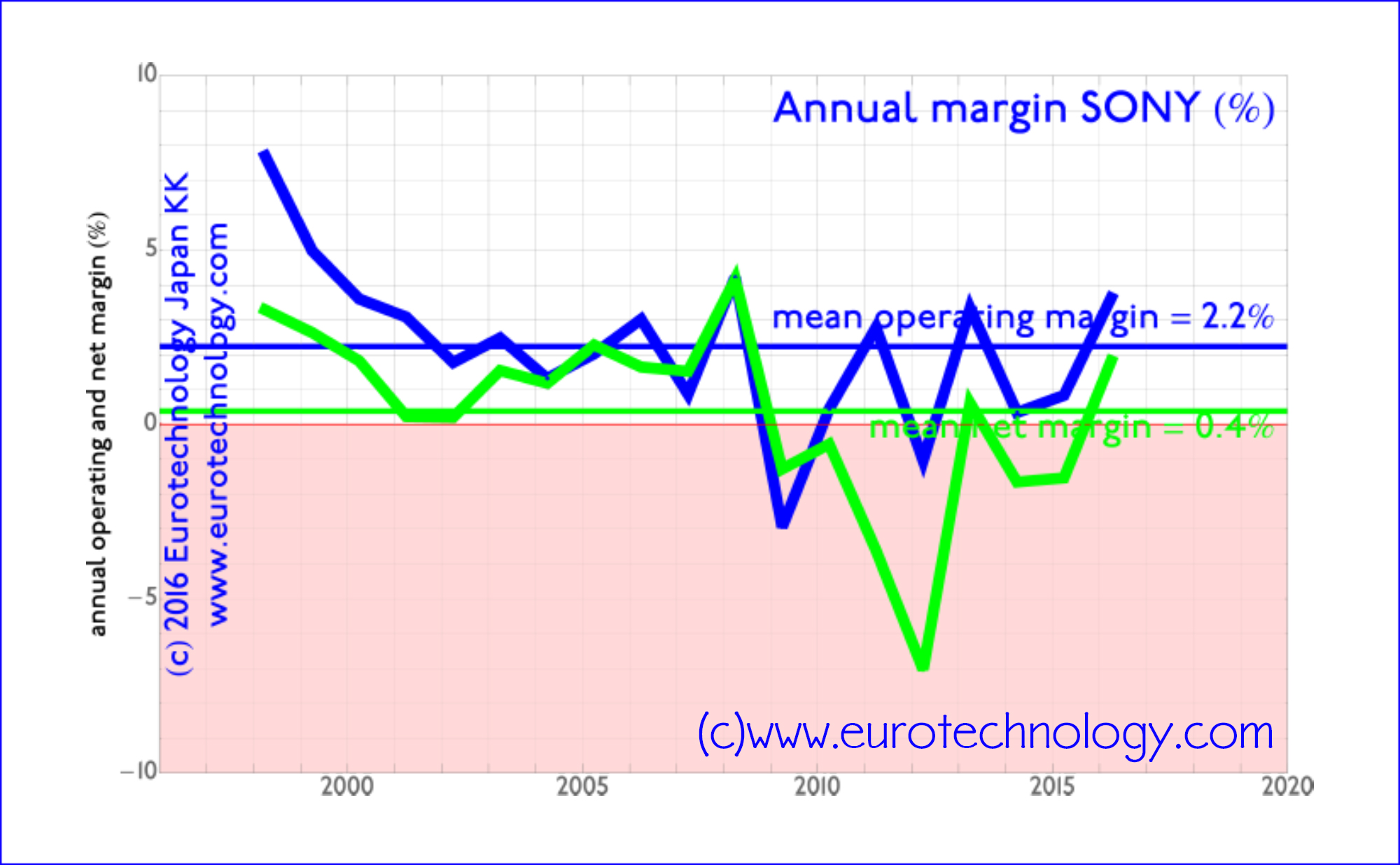
SONY 70th Birthday: Happy Birthday SONY!
Today: by far the strongest profits are not from electronics or Playstation, but from the subsidiary SONY Financial Holdings Inc within Japan SONY 70th Birthday: Tokyo Tsushin Kogyo (Totsuko) was founded on May 7, 1946 SONY celebrates 70th Birthday today – SONY’s predecessor Tokyo Tsushin Kogyo (東京通信工業株式会社), Totsuko (東通工) was founded on May 7, 1946…
-
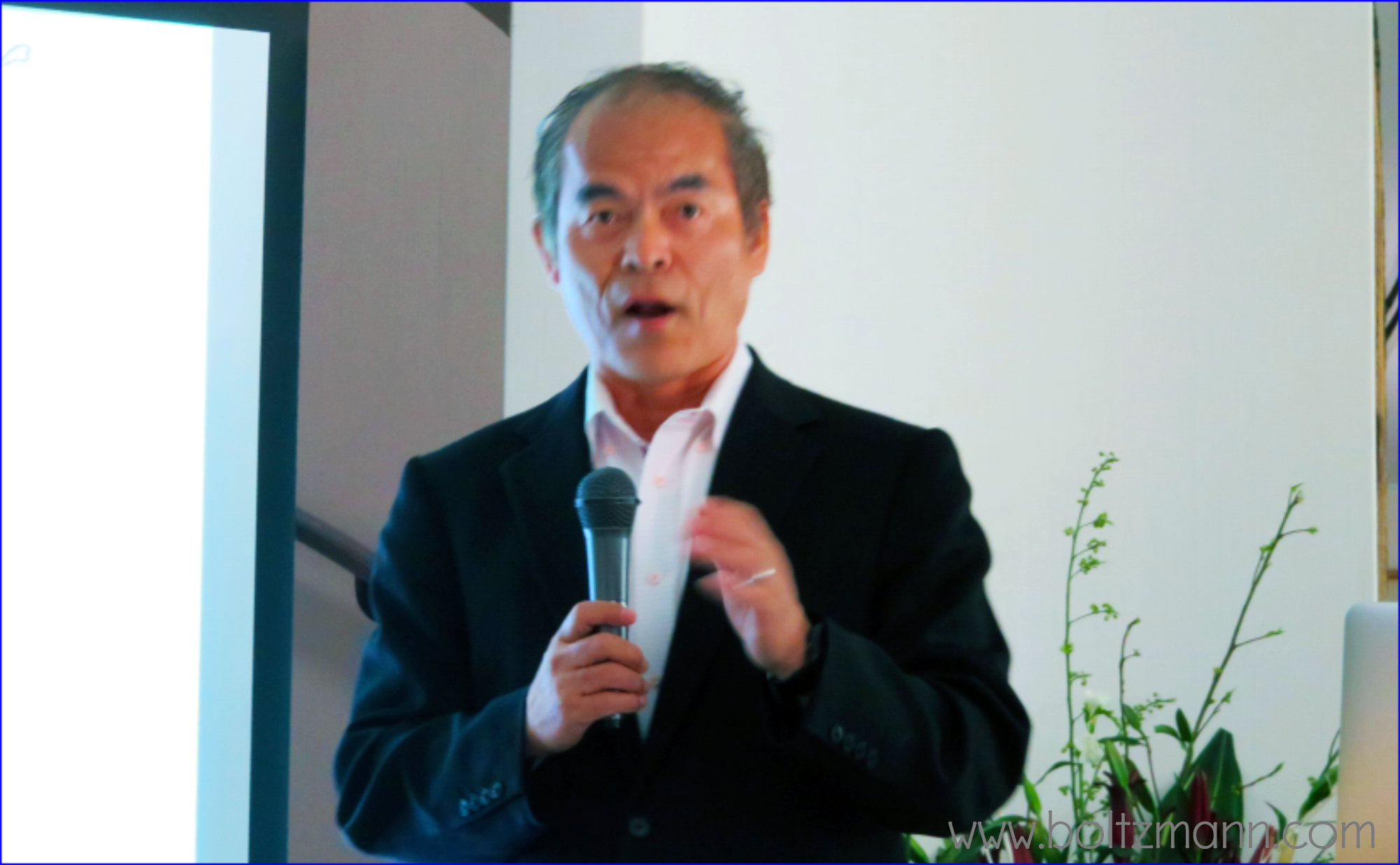
Shuji Nakamura on 2nd and 3rd Generation Solid State Lighting
—
by
Shuji Nakamura’s invention to save energy corresponding to about 60 nuclear power stations by 2020 2nd and 3rd Generation Solid State Lighting For Shuji Nakamura’s invention of high-efficiency GaN double-heterostructure LEDs he was awarded the Nobel Prize in Physics 2014, while his employer sued him in the USA for leaking intellectual property – Shuji Nakamura…
-
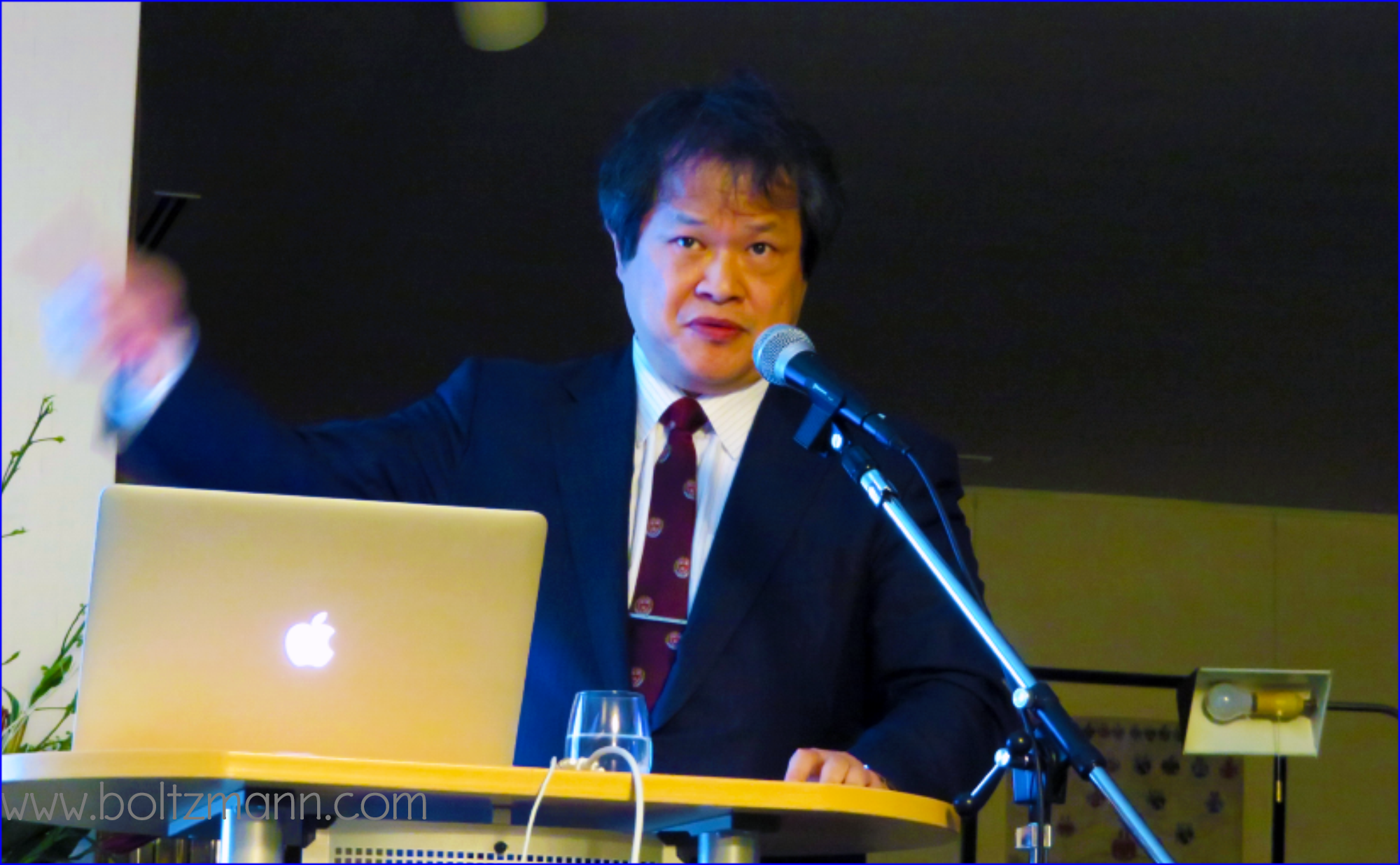
Makoto Suematsu: fast-tracking medical research in Japan
Makoto Suematsu, Founding President of Japan’s new Agency for Medical Research and Development AMED: The situation in Japan is so crazy, but now I will stay in Japan because I have a mission summary of Professor Makoto Suematsu’s talk by Gerhard Fasol Medical research in Japan: Fast-tracking medical research and development in Japan In April…
-
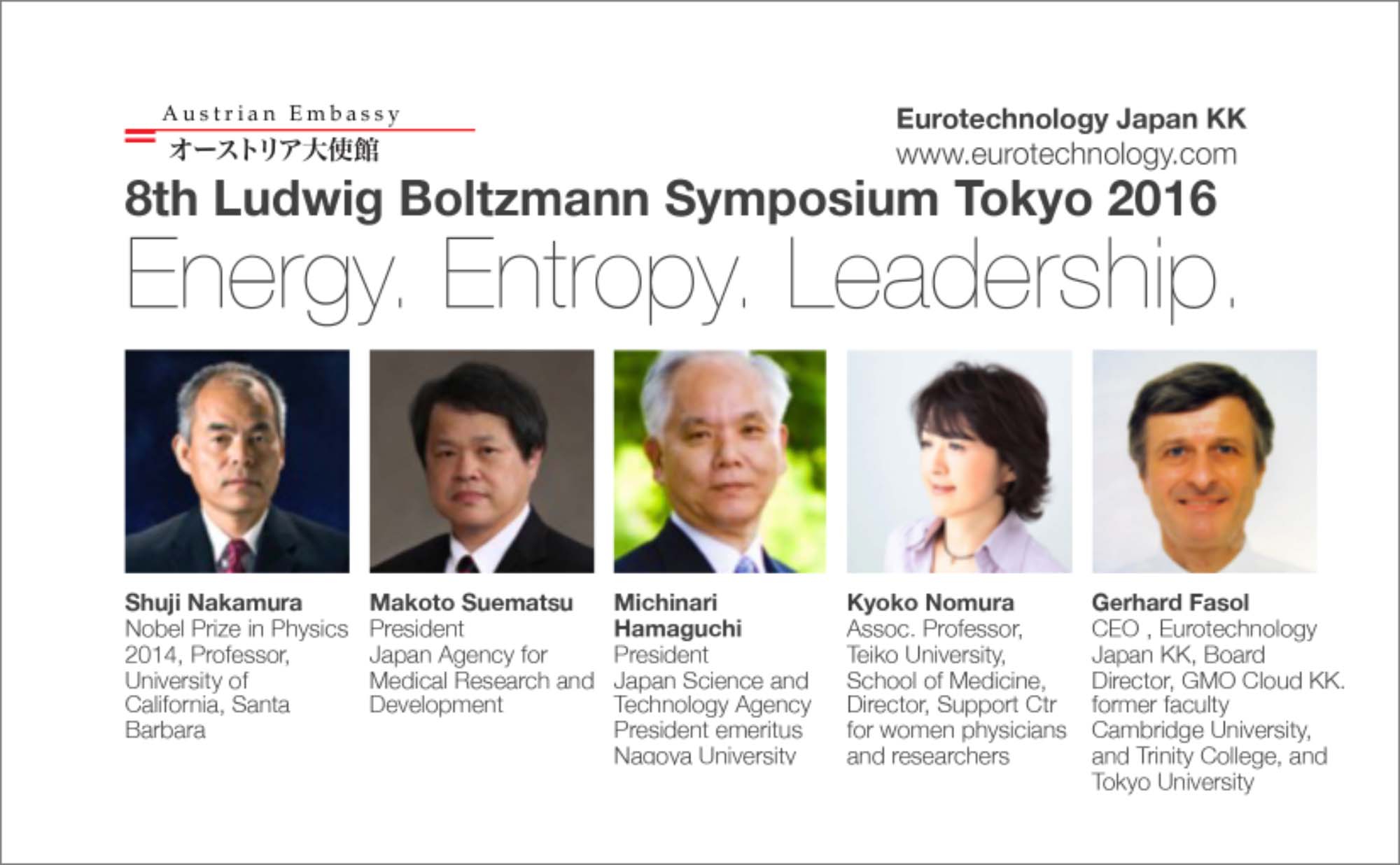
Top-down vs bottom-up innovation: Japan’s R&D leaders at the 8th Ludwig Boltzmann Forum
How to fast-track innovation in Japan Shuji Nakamura’s invention of high efficiency LEDs enable us to reduce global energy consumption by an amount corresponding to 60 nuclear power stations by 2020, for which he was awarded the 2014 Nobel Prize in Physics. Still, a poster child for bottom-up innovation, Shuji Nakamura was sued by his…