Category: telecommunications

mobile communications industry

  • Interview with Businessweek Editor David Rocks about Masayoshi Son and Japan’s telecom sector

    Interview with Businessweek Editor David Rocks about Masayoshi Son and Japan’s telecom sector

    Businessweek Editor David Rocks: “if you would meet Masayoshi Son, what would you ask him?

    by Gerhard Fasol

    Businessweek Editor David Rocks came three weeks to Japan to report on Japan’s telecommunications and technology sectors, arrived Friday and took me for dinner Friday night. A few days later David Rocks called me during my lunch break and asked me: “if you would meet Masayoshi Son, what would you ask him?” Turned out David was going to interview SoftBank Founder and CEO Masayoshi Son a about an hour later. I proposed three questions. Later David Rocks called me back, and told me Masayoshi Son’s answers, which are enclosed here as well.

    My question: Are rumors true, that Masayoshi Son threatened to set himself on fire inside the Japanese Post- and Telecommunications Ministry, in case he is denied a telecommunications license he had applied for?

    Masayoshi Son’s answer (as told to me by David Rocks): Yes, these rumors are true, however I did not take any fuel along with me inside the Ministry

    David Rocks used my proposed question to Masayoshi Son for the title of his article: https://www.bloomberg.com/news/articles/2004-10-31/setting-fire-to-the-cell-phone-market

    My question: I wish Europe would have someone like Masayoshi Son to accelerate innovation in Europe’s telecommunications sector. Do you have plans to expand SoftBank to Europe?

    Masayoshi Son’s answer (as told to me by David Rocks): No plans for Europe at this time.

    My question: How can you finance your plans to grow your business? Who are your financial backers?

    Masayoshi Son’s answer (as told to me by David Rocks): We have sufficient finance to grow SoftBank’s business.

    The headline of David Rock’s article “Setting fire to the cell-phone market”, published on October 31, 2004 in Businessweek is based on my first question. https://www.bloomberg.com/news/articles/2004-10-31/setting-fire-to-the-cell-phone-market

    Copyright notice:

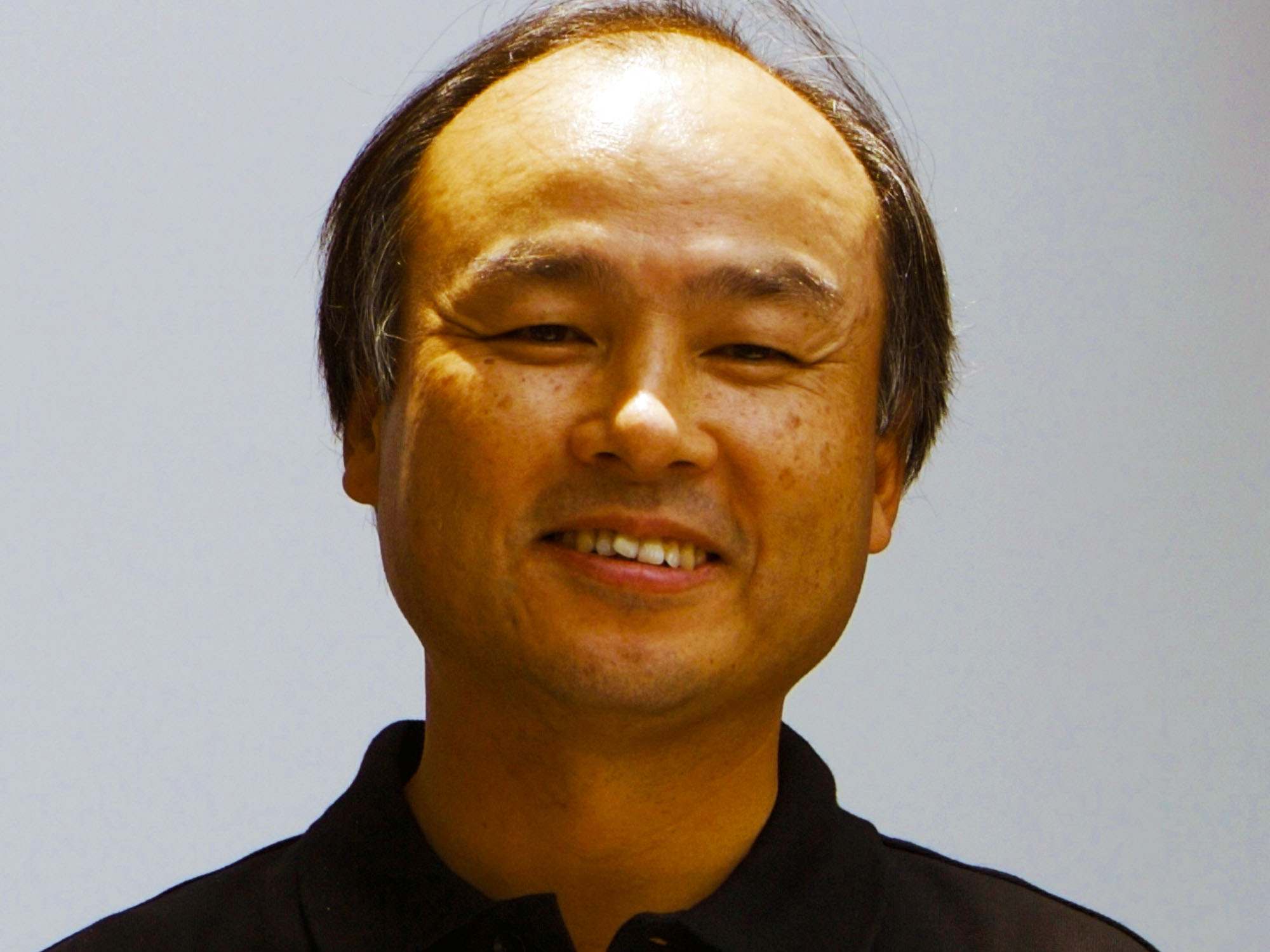
    The photograph of Masayoshi Son is used under Creative Commons license according to Wikipedia.
    Copyright details are:
    Description English: Masayoshi Son on July 11, 2008
    Date 11 July 2008, 12:11:02
    Source iPhone 3G Masayoshi Son Masaru Kamikura (http://www.flickr.com/photos/kamikura/2658524938/)
    Author Masaru Kamikura (http://www.flickr.com/people/20119192@N00) from Japan
    This file is licensed under the Creative Commons Attribution 2.0 Generic
    (https://creativecommons.org/licenses/by/2.0/deed.en) license.

    Copyright (c) 2013 Eurotechnology Japan KK All Rights Reserved

  • Prepaid phones to be outlawed in Japan (see update below!)

    The government coalition in Japan is preparing a law to outlaw prepaid mobile phones. The reason given is that too many prepaid phones are used for crimes, e.g. the “ore ore” fraud.

    The number of prepaid phones in Japan is very small, but it’s not equally distributed. DoCoMo has almost no prepaid users, and has announced to abolish this service. Vodafone has about 10% prepaid users, and TuKa about 20% – so these will suffer when prepaid phones are outlawed.

    Prepay phones as a ratio of all mobile phones in Japan compared to Europe and Italy
    Prepay phones as a ratio of all mobile phones in Japan compared to Europe and Italy

    Update: on 12 November 2004 the ruling coalition decided on a draft law, which will not outlaw prepaid mobile phones, but will make identification requirements more strict. (See update above)

    Find an updated market analysis with statistics of Japan’s prepay mobile market in our report on Japan’s telecoms industry sector

    Copyright·©1997-2013 ·Eurotechnology Japan KK·All Rights Reserved·

  • SonyEricsson design team presentation & discussion

    The SonyEricsson mobile phone design team gave a very impressive presentation of their work at the Swedish Embassy yesterday.

    Here is Art Director Mr Kawagoi, who created the famous SonyEricsson logo, explaining the messages contained in his creation:

    SONY-Ericsson Design Director explaining his thoughts behind creating the SONY-Ericsson logo
    SONY-Ericsson Design Director explaining his thoughts behind creating the SONY-Ericsson logo

    Here Swedish Managers of the SonyEricsson Creative Design Center from Lund/Sweden:

    SONY-Ericsson presentation at the Embassy of Sweden in Tokyo
    SONY-Ericsson presentation at the Embassy of Sweden in Tokyo

    My conclusion: expect a lot more great designs out of SonyEricsson. Also, there is every indication it’s a very successful Japan-Swedish cooperation.

    [images in this post are taken with a DoCoMo/Sharp SH900i 3G/FOMA camera-phone in 2Megapixel setting, and sent through the air via DoCoMo’s FOMA network. Images are reproduced here in much less than the original 1224 x 1632 pixel size, which would not fit on most PC screens.]

    Copyright·©1997-2013 ·Eurotechnology Japan KK·All Rights Reserved·

  • Version 8 of the "i-Mode report"

    Completed version 8 of the “i-Mode Report” (260 pages, 45 figures, 120 photographs, and 25 tables)

    Main changes and additions:

    updated most statistics and graphs
    added a section on mobile games on i-mode
    updated the international section
    updated the 3G section
    updated the i-mode-FeliCa wallet-phone section
    corrected many errors
    updated the section on Japan’s telecom landscape: added recent transactions, and updated graphics

    Copyright·©1997-2013 ·Eurotechnology Japan KK·All Rights Reserved·

  • Ig Nobel Prize for Peace to the inventor of Karaoke

    Ig Nobel Prize for Peace to the inventor of Karaoke

    There is a saying the that the Prophet is not recognized within his/her own country – and I think that the inventor of Karaoke, Inoue Daisuke (井上 大佑) is not as famous in his own country as he deserves – but he was now recognized for his outstanding invention by the “Ig Nobel Prize” committee in the PEACE category.

    This years Ig Nobel Peace Prize was awarded on September 30, 2004 to Inoue Daisuke, for inventing karaoke, thereby providing an entirely new way for people to learn to tolerate each other.

    “Karaoke” means “empty orchestra” (KARAOKE = KARA (= empty) + OrKEstra).

    The Ig Nobel Peace Prize is one of the IG Nobel Prizes, awarded annually by the Journal “Annals of Improbable Research” at MIT.

    Copyright (c) 1997-2013 Eurotechnology Japan KK All Rights Reserved

  • Vodafone not so big in Japan – The Economist says

    Vodafone not so big in Japan – The Economist says

    The Economist looks at Vodafone’s real situation in Japan’s very advanced and hyper-competitive telecommunications market

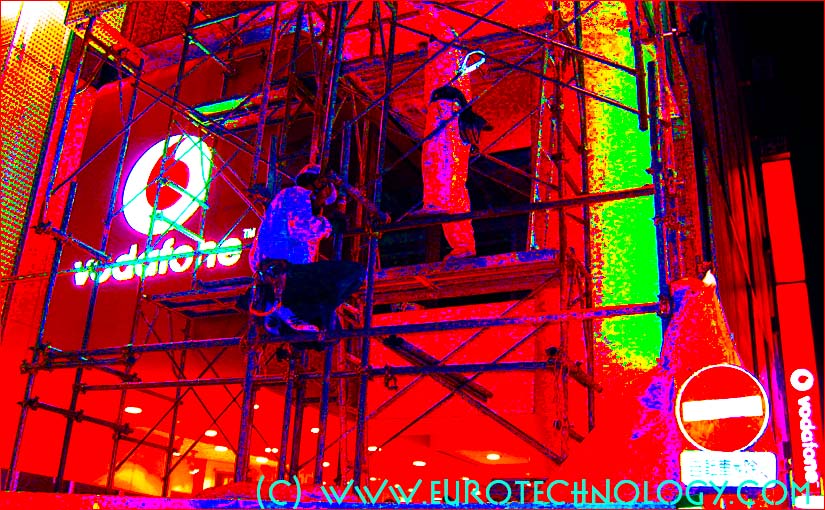
    Vodafone not so big in Japan: Vodafone is struggling to catch up with Docomo’s introduction of 3G in Japan

    An article in The Economist about Vodafone is partly based on our analysis:

    Vodafone not so big in Japan: “Vodafone- Not so big in Japan” (The Economist, Sept 30th, 2004)

    Understand Softbank: our report: “SoftBank today and 300 year vision”

    pdf file, approx 120 pages, 47 figures 18 photos, 7 tables

    Copyright 1997-2013 Eurotechnology Japan KK All Rights Reserved

  • Prepaid mobile phones in Japan…

    Prepaid mobile phones are a huge business in Europe.

    In Japan prepaid mobile phone numbers are tiny, and NTT’s new CEO just announced that NTT-DoCoMo is planning to stop offering prepaid mobile phones altogether.

    Find detailed statistics and market shares per operator for Japan’s prepaid market in our report on Japan’s telecommunications sector.

    Copyright·©1997-2013 ·Eurotechnology Japan KK·All Rights Reserved·

  • Cable & Wireless Japan acquired by Softbank???!!

    Cable & Wireless Japan acquired by Softbank???!!

    Cable & Wireless Japan staged what it said was one of the first “hostile” takeovers in Japan, but then proved to be unable to manage the company they had acquired

    by Gerhard Fasol

    On October 26, 2004, Softbank announced the acquisition of Cable & Wireless IDC for YEN 12.3 billion (= US$ 110 million)

    Cable & Wireless Japan: Today’s top article in Nikkei is about Cable and Wireless-Japan: the article reports that Cable and Wireless is in discussion with Softbank and a private equity firm to sell their Japan operations. Apparently this news article is not confirmed, and it already mentions a purchase prize on the order of US$ 100 million. This article appeared in the top position in Nikkei – but there are several things a bit mysterious about it.

    Cable & Wireless Japan – why did they fail in Japan?

    I did not follow Cable and Wireless recently in Japan, but it seems that C&W made a loss of YEN 61.6 OKU on sales of YEN 713 OKU, i.e. almost 10% loss.
    Since we are insiders in Japan’s telecom sector, we know most of the details. To out it into short words, Cable & Wireless did not have the knowhow to manage a Japanese company. They tried but failed, and alienated a lot of people.

    Spent all morning discussing with one of the innovation managers of a big European telco. Interesting. Spent afternoon with a US bio-tech company which which is thinking of asking us to build their business in Japan, and in the evening listened to a talk by Tadashi Onodera, the CEO of KDDI. Expected him to talk mainly about mobile – but he did not. His focus was a national VOIP network they are building, attacking the fixed line income of NTT. Got hold of him after his talk and discussed with him for about 10 minutes.

    UPDATE: on October 26, 2004, Softbank announced the acquisition of Cable & Wireless IDC. Total cost of the acquistion is announced as YEN 12.3 billion (= US$ 110 million)

    SoftBank today and 300 year vision report:

    Copyright (c) 1997-2013 Eurotechnology Japan KK All Rights Reserved
  • Tokyo Game Show TGS2004 (Sept 24-26, 2004): breakthrough for native mobile games

    Tokyo Game Show TGS2004 (Sept 24-26, 2004): breakthrough for native mobile games

    Mobile phone games at the center of TGS2004

    by Gerhard Fasol

    Docomo at the center of attention with JAVA native mobile games for i-Mode

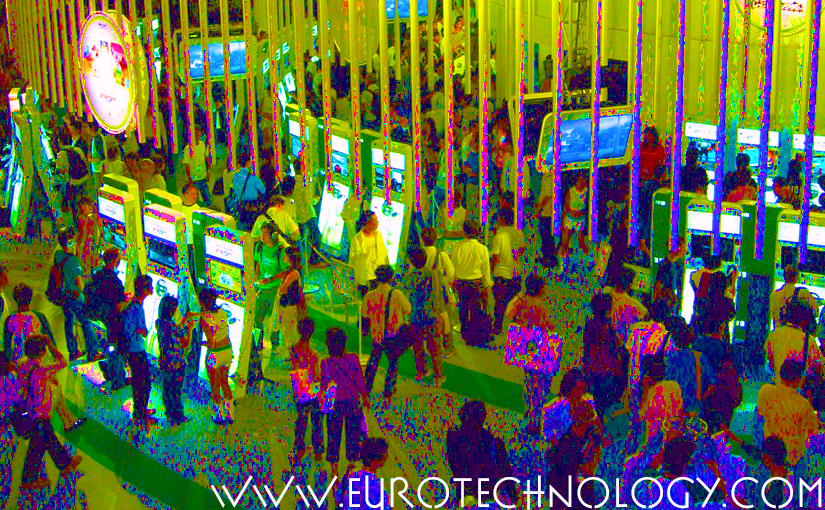
    The annual “Tokyo Game Show” sets trends and is a must for game professionals and fans. More than 100 companies exhibit.

    This years highlight is the SONY “PlayStation Portable” – PSP – to be introduced towards the end of 2004. SONY prepared a huge arena with an gigantic models of a PSP hanging overhead where visitors to the show could try out advance models of the PSP.

    SONY also displayed the new “Gran Turismo 4” game, the release is scheduled for Dec 3, 2004. “Gran Turismo 4” was not the only car racing game at the show, we counted at least three more in this hugely popular category.

    Japan game market report (398 pages, pdf-file):

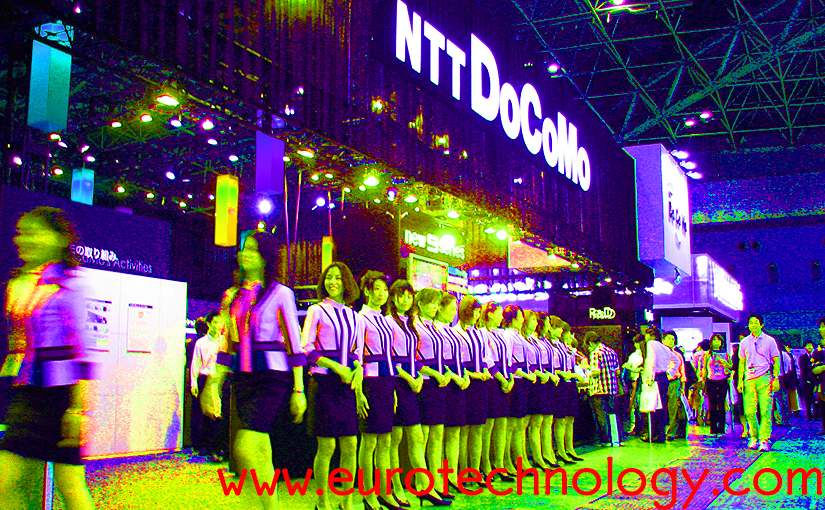
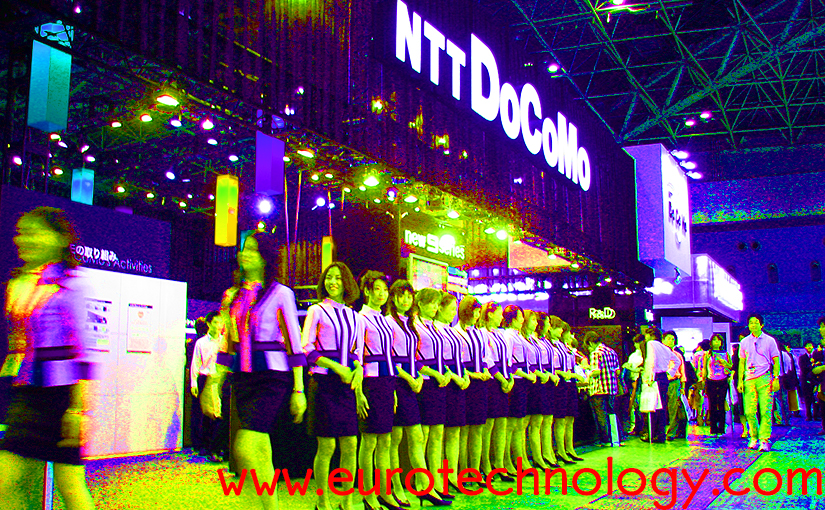
    Docomo dominates Tokyo Game Show TGS2004 with JAVA native mobile games for i-Mode

    The DoCoMo pavillion highlighted 15 of the most important i-Mode game partners. These 15 were selected from over 4000 i-mode content partners. Games are one of the most important sectors on the i-mode menu – many customers are driven by games to buy the next handset upgrade. Therefore DoCoMo has a great interest in mobile games. DoCoMos focus at the game show were games for the 900i FOMA/3G series.

    SONY previews PSP – Playstation Portable:

    SONY PSP mock up for Tokyo Game Show TGS2004
    SONY PSP mock up for Tokyo Game Show TGS2004

    In a stunning arena around a gigantic hyper-real model of the PSP PlayStation Portable (PSP), visitors try out the PSP. PSP is announced to be released towards the end of 2004.

    SONY PSP arena previewing the PSP at Tokyo Game Show TGS2004
    SONY PSP arena previewing the PSP at Tokyo Game Show TGS2004

    SONY offered a preview of “Gran Turismo 4” representing the enormously popular segmet of car racing games with realistic landscapes and surroundings.

    SONY's Gran Tourismo at Tokyo Game Show TGS2004
    SONY’s Gran Tourismo at Tokyo Game Show TGS2004

    DoCoMo presented an intense show of 15 key i-mode partners focusing on games. The map immediately below shows the lay-out of DoCoMos exhibition area, together with small pictures of the main display of each of the 15 DoCoMo partners

    NTT DoCoMo exhibit at Tokyo Game Show TGS2004
    NTT DoCoMo exhibit at Tokyo Game Show TGS2004

    One of the most important DoCoMo game partners is Square Enix with the best selling Final Fantasy series. Final Fantasy is a “role playing game” where the player joins a group of fighters. This photograph shows the Square Enix presentation in the DoCoMo display. Square Enix also had its own presentation area – complete with models, preview area, shows etc.

    SquareEnix at DoCoMo's exhibit at Tokyo Game Show TGS2004
    SquareEnix at DoCoMo’s exhibit at Tokyo Game Show TGS2004

    “Rumble rose” is the most spectacular representative game of sexy games – Rumble Rose is about women wrestling…

    Rumble Rose at Tokyo Game Show TGS2004
    Rumble Rose at Tokyo Game Show TGS2004

    ATLUS shows stunning color and illumination effects.

    ATLUS at Tokyo Game Show TGS2004
    ATLUS at Tokyo Game Show TGS2004
    ATARI at Tokyo Game Show TGS2004
    ATARI at Tokyo Game Show TGS2004
    ATI at Tokyo Game Show TGS2004
    ATI at Tokyo Game Show TGS2004

    Japan game market report (398 pages, pdf-file):

    Copyright 1997-2013 Eurotechnology Japan KK All Rights Reserved
  • iTunes versus Chaku-Uta downloads – Mobile Music Rocks…

    iTunes versus Chaku-Uta downloads – Mobile Music Rocks…

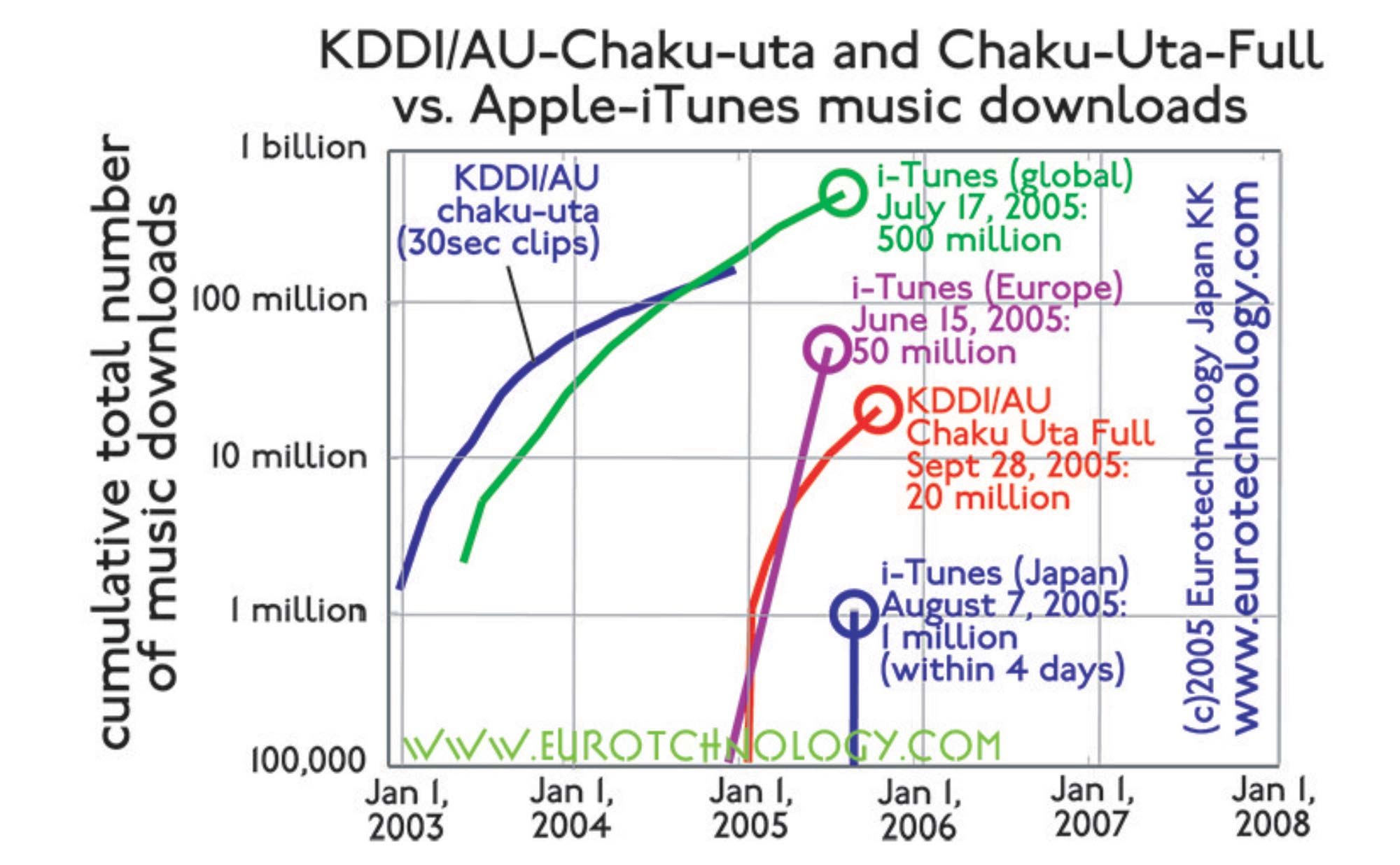
    until mid-2004 KDDI sells more chaku-uta mobile music downloads in Japan than iTunes globally

    It’s tempting to compare iTunes and Chaku-Uta statistics to get a feel for the meaning of the Motorola-iTunes deal. Here we go:

    KDDI-AU Chaku-Uta ring-tone downloads versus global Apple iTunes sales
    KDDI-AU Chaku-Uta ring-tone downloads versus global Apple iTunes sales

    More about Japanese telecom sector and mobile in Japan: Eurotechnology Japan report on Japan’s telecom sector

    More about Mobile Music in Japan: “Mobile-Music” report

    Copyright (c) 1997-2013 Eurotechnology Japan KK All Rights Reserved

  • Global Mobile phone ring tone market

    Global mobile phone ring tone market (source: Consect LLC, WSJ) in 2004:

    W Europe: US$ 1.5 billion (37.5%)
    Japan: US$ 1.0 billion (24.0%)
    Korea: US$ 0.5 billion (12.5%)
    US: US$ 0.3 billion (7.5%)
    ROW: US$ 0.7 billion (17.5%)
    ———————————
    Total: US$ 4.0 billion (100%)

    see: “Mobile Music in Japan” (report, pdf file)

    Copyright·©1997-2013 ·Eurotechnology Japan KK·All Rights Reserved·

  • 21.6 million 3G subscribers in Japan (31 August 2004)

    The mobile phone subscriber statistics for August 2004 in Japan came out:

    3G subscribers:

    KDDI/AU: 15,511,800 subscribers, conversion rate to 3G: 86.1%
    DoCoMo: 5,900,200 subscribers, conversion rate to 3G: 12.6%
    Vodafone: 237,600 subscribers, conversion rate to 3G: 1.6%

    Copyright·©1997-2013 ·Eurotechnology Japan KK·All Rights Reserved·

  • KDDI/AU has 80% of users on 3G

    80% of KDDI/AU users are now converted to 3G, and KDDI/AU does not sell any 2G phones any more: only 3G and 3.5G (2.4Mbps data download).

    Conversion to 3G in Japan: AU leads, DoCoMo and Vodafone follow. Vodafone's 3G conversion has stalled because of lack or attractive handsets in Japan and too low investment in 3G base stations
    Conversion to 3G in Japan: AU leads, DoCoMo and Vodafone follow. Vodafone’s 3G conversion has stalled because of lack or attractive handsets in Japan and too low investment in 3G base stations

    Here is KDDI/AU‘s newest 3.5G phone – the W21SA, for 2.4Mbps data download:

    KDDI 3G mobile handset W21SA
    KDDI 3G mobile handset W21SA

    More about Japan’s mobile telecom sector:Eurotechnology Japan report on Japan’s telecom industry

    Copyright·©1997-2013 ·Eurotechnology Japan KK·All Rights Reserved·

  • 3G: "Vision, meet reality" (Economist on ITU vision for 3G)

    Just read an article in the Economist:

    “Mobile 3G telecoms: Vision, meet reality”

    which quotes ITU’s 2000 vision for 3G (ITU = International Telecommunication Union):

    The device will function as a phone, a computer, a television, a pager, a videoconferencing centre, a newspaper, a diary and even a credit card…it will support not only voice communications but also real-time video and full-scale multimedia. It will automatically search the internet for relevant news and information on pre-selected subjects, book your next holiday for you online and download a bedtime story for your child, complete with moving pictures. It will even be able to pay for goods when you shop via wireless electronic funds transfer. In short, the new mobile handset will become the single, indispensable “life tool”, carried everywhere by everyone, just like a wallet or purse is today.

    Interestingly, every single detail of ITU’s 2000 3G-vision has now been realized now by DoCoMo in Japan.

    Copyright·©1997-2013 ·Eurotechnology Japan KK·All Rights Reserved·

  • Wireless Japan 2004 exhibition (Tokyo, July 21-23, 2004)

    Wireless Japan 2004 exhibition (Tokyo, July 21-23, 2004)

    FeliCa mobile payment wallet phones at the centre of attention

    by Gerhard Fasol

    Wireless, mobile phone industry trends years before they reach outside Japan

    Every year the Wireless Japan sets global trends in wireless communications and mobile phones. Mobile phone industry professionals cannot afford to miss this trend setting show. It is here that Japanese carriers and handset makers introduce their latest products and show design studies and concept phones which set industry trends for the next months and years.

    There were some surprises: In recent Wireless-Japan shows usually the KDDI/AU-design project prototypes were at the center of attention – this year I could not find any. For example, at Wireless-Japan-2002, KDDI/AU showed “Infobar” prototypes a full 16 months before market introduction. Did KDDI/AU decide to keep future design-project releases secret until they hit the market? Could well be so, given Japan’s increasingly ferocious mobile phone competition. Another surprise was Vodafone’s absence – Vodafone in recent years used to have the biggest show.

    On the other hand this time most handset makers showed impressive concept phones, Matsushita/Panasonic under the heading “Beyond 3G”. The image shows NEC’s concept design study of a flexible multimedia phone: this phone has two screens which can be bent together, and used jointly as a larger screen.

    Wireless Japan 2004 Highlights: “Beyond 3G”

    Beyond 3G: SANYO 3.5G phone for 2.4Mbps data download (for KDDI/AU):

    KDDI/AU 3G phone W21SA
    KDDI/AU 3G phone W21SA
    SANYO show at Wireless Japan 2004
    SANYO show at Wireless Japan 2004

    Wireless Japan 2004: NEC “tag” wrapping multimedia design concept phone:

    Concept model phone by NEC at WirelessJapan-2004 exhibition
    Concept model phone by NEC at WirelessJapan-2004 exhibition

    “Wireless Japan 2004” – much was expected: for example, it wasn’t surprising for anyone that DoCoMo’s i-Mode-FeliCa wallet-phones were center stage of the DoCoMo exhibit with lots of partners demoing wallet-phone applications.

    NEC concept phone
    NEC concept phone
    NEC concept phone
    NEC concept phone

    Matsushita/Panasonic “Beyond 3G” design concepts:

    Panasonic concept phone
    Panasonic concept phone

    DoCoMo UbiButton and UbiChip:

    DoCoMo's UbiButton and UbiChip
    DoCoMo’s UbiButton and UbiChip

    DoCoMo i-Mode-FeliCa wallet phones – for electronic cash:

    the world's first commercial wallet phone: P506iC - by DoCoMo and Panasonic
    the world’s first commercial wallet phone: P506iC – by DoCoMo and Panasonic

    DoCoMo i-Mode-FeliCa wallet phones – as an electronic door key:

    Mobile phone as a RFID key to lock and unlock doors
    Mobile phone as a RFID key to lock and unlock doors

    We have substantial documentation about the Wireless Japan 2004 exhibition, and most other year’s Wireless Japan exhibitions. If you need information or documentation for prior art or other investigations, please contact us.

    Learn more: report on Japan’s telecom sector (269 pages, pdf file):

    Copyright 1997-2013 Eurotechnology Japan KK All Rights Reserved
  • Wireless TeleMedicine – Technology Trends (presentation at the Zurich Stock Exchange)

    Presentation by Gerhard Fasol at First Tuesday Zurich (5 May 2004, 15:15 – 21:30, Swiss Stock Exchange, Zurich, Switzerland)

    Copyright·©1997-2013 ·Eurotechnology Japan KK·All Rights Reserved·

  • Wireless Japan 2003 exhibition (Tokyo, July 16-18, 2003)

    Wireless Japan 2003 exhibition (Tokyo, July 16-18, 2003)

    Japan shows advanced applications of 3G wireless communications

    3G concept phones, 3G video, mobile payment, doorlooking via 3G

    by Gerhard Fasol

    Learn more: report on Japan’s telecom sector (269 pages, pdf file):

    Copyright 1997-2013 Eurotechnology Japan KK All Rights Reserved

  • Japan’s Mobile Communications Industry

    Presentation at the German Embassy, Tokyo

    (12 June 2003, 18:30, Residence of HE The Ambassador of Germany, Tokyo)

    Copyright·©1997-2013 ·Eurotechnology Japan KK·All Rights Reserved·

  • Wireless Japan 2002 exhibition (July 17-19, 2002) in Tokyo

    Wireless Japan 2002 exhibition (July 17-19, 2002) in Tokyo

    Global mobile trends start in Japan

    by Gerhard Fasol

    Docomo’s first 3G phones, KDDI brings design to mobile phones

    The annual Wireless-Japan exhibition highlights the trends of mobile communications in Japan. At Wireless-Japan 2002 KDDI started setting the trend of concept phones.

    KDDI/AU “Design Project:” Design study for the bestselling “INFOBAR”.

    KDDI/AU design series prototype
    KDDI/AU design series prototype
    KDDI/AU design series prototype
    KDDI/AU design series prototype
    KDDI/AU design series prototype
    KDDI/AU design series prototype
    KDDI/AU design series prototype
    KDDI/AU design series prototype
    KDDI/AU design series prototype
    KDDI/AU design series prototype
    KDDI/AU design series prototype
    KDDI/AU design series prototype
    KDDI/AU design series prototype
    KDDI/AU design series prototype
    KDDI/AU design series prototype
    KDDI/AU design series prototype

    The KDDI/AU design study above became the origin of the bestselling “INFOBAR”-3G phone.

    And here are two images of the bestselling “INFOBAR”-phone in the version sold by KDDI.

    KDDI/AU design series - Infobar
    KDDI/AU design series – Infobar

    Design study by AU/KDDI for future mobile handsets. This design study was the basis for the PENCK model sold by KDDI/AU at a later date.

    KDDI/AU design series prototype: PENCK
    KDDI/AU design series prototype: PENCK

    Big Blue Vending machine for mobile internet usage by IBM

    IBM vending machines for mobile payment
    IBM vending machines for mobile payment

    Combined mobile phone and television receiver by DoCoMo:

    starting a trend to mobile TV

    DoCoMo prototype phone for mobile TV
    DoCoMo prototype phone for mobile TV

    Automatic Teller Machine (ATM) linked to mobile phones by DoCoMo
    gradually DoCoMo is introducing payment applications to mobile phones. In 2004, two years later, DoCoMo introduces the walletphone.

    IY Bank (later renamed 7-Bank) ATM protoype
    IY Bank (later renamed 7-Bank) ATM protoype

    Karaoke Machine linked to mobile phones by DoCoMo

    Linking Karaoke to mobile phones
    Linking Karaoke to mobile phones

    FOMA video telephone and MOPPET fixed line video telephony terminal, allows video conversation between FOMA mobile phone and fixed line telephone.

    More information about 3G in Japan and FOMA: www.eurotechnology.com/3G/.

    NTT Moppet
    NTT Moppet

    SH2101V handheld PC and video camera for FOMA (3G) use, including video camera

    DoCoMo 3G prototype multi-media phone SH2101V
    DoCoMo 3G prototype multi-media phone SH2101V

    We have substantial documentation about the Wireless Japan 2002 exhibition, and most other year’s Wireless Japan exhibitions. If you need information or documentation for prior art or other investigations, please contact us.

    Learn more: report on Japan’s telecom sector (269 pages, pdf file):

    Copyright 1997-2013 Eurotechnology Japan KK All Rights Reserved

  • M-Commerce in Japan

    Presentation given by Gerhard Fasol, to the Asia/Pacific – Midwest Business Conference
    Panel Presentation “E-commerce in Asia”, on Wednesday April 10, 2002, 8:00-9:30am, organized by the US Department of Commerce and the Illinois District Export Council.

    Copyright (c) 1997-2013 Eurotechnology Japan KK All Rights Reserved

  • i-Mode: business models for mobile communications

    Full day tutorial by Gerhard Fasol, organized by Seminario Internacional Prisma, held at the Hotel Metropolitan, Lisboa, March 21, 2002.

    Attendance: about 50 executives from Portugal’s telecom operators, major consulting firms, and IT professionals attended the full day tutorial.

    Download and update presentation as a pdf-file

    Copyright·©1997-2013 ·Eurotechnology Japan KK·All Rights Reserved·